Belfast
City
football club
Groups

At our club, we have groups for amputees and disabled individuals, with the aim to:
– Aid in physical rehabilitation,
– Help with dexterity,
– Increase self-confidence and body image,
– Create new opportunities,
– Allow you to meet new people
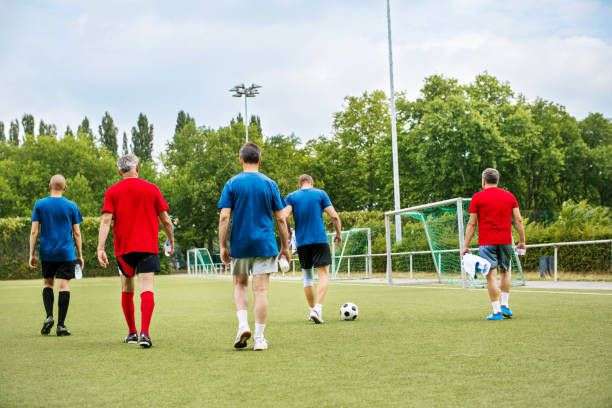
Walking Football
Belfast City is launching a walking football team aimed at the local community, welcoming individuals aged 40 and above. Participants stand to gain various health benefits, such as decreased risk of cardiovascular diseases, lowered cholesterol, and improved blood sugar levels, all contributing to enhanced overall well-being. Following the training sessions, the club offers a coffee club, providing participants with the chance to socialise and forge new friendships.
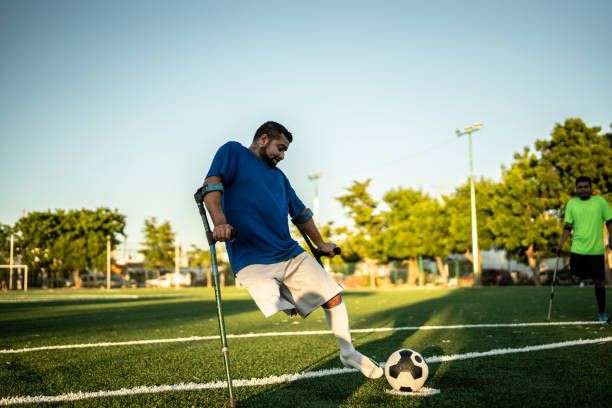
Amputee Football
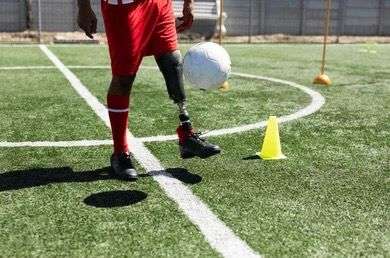
Belfast City is offering community football sessions for amputee players. Sports like football are crucial for physical rehabilitation, aiding amputees in regaining mobility and dexterity. Regular physical activity enhances cardiovascular health, muscle strength, and overall fitness, which is especially important for amputees facing unique physical challenges. Participating in sports can significantly boost self-confidence and body image, helping amputees look beyond their physical limitations. Additionally, physical activity is known to reduce stress and anxiety, contributing to improved mental health.
Anti-Social Football
Offering anti-social football sessions to a community presents a unique opportunity to address and mitigate social issues while harnessing the power of sport. These sessions cater to individuals who may be at risk of social isolation, disengagement, or involvement in antisocial behaviour. This includes tackling knife, gun and drug related crimes. By providing a structured and supportive environment, anti-social football sessions offer a pathway for participants to channel their energy into positive outlets. Through teamwork, communication, and shared goals, individuals develop crucial social skills, fostering a sense of belonging and inclusion. Moreover, these sessions often incorporate mentorship and guidance, offering participants valuable support networks and opportunities for personal growth. By leveraging the universal appeal of football, these initiatives not only promote physical health and fitness but also serve as a catalyst for social cohesion, empowerment, and community resilience. Ultimately, anti-social football sessions play a vital role in building stronger, more connected communities by providing a safe and inclusive space for individuals to thrive and overcome challenges.